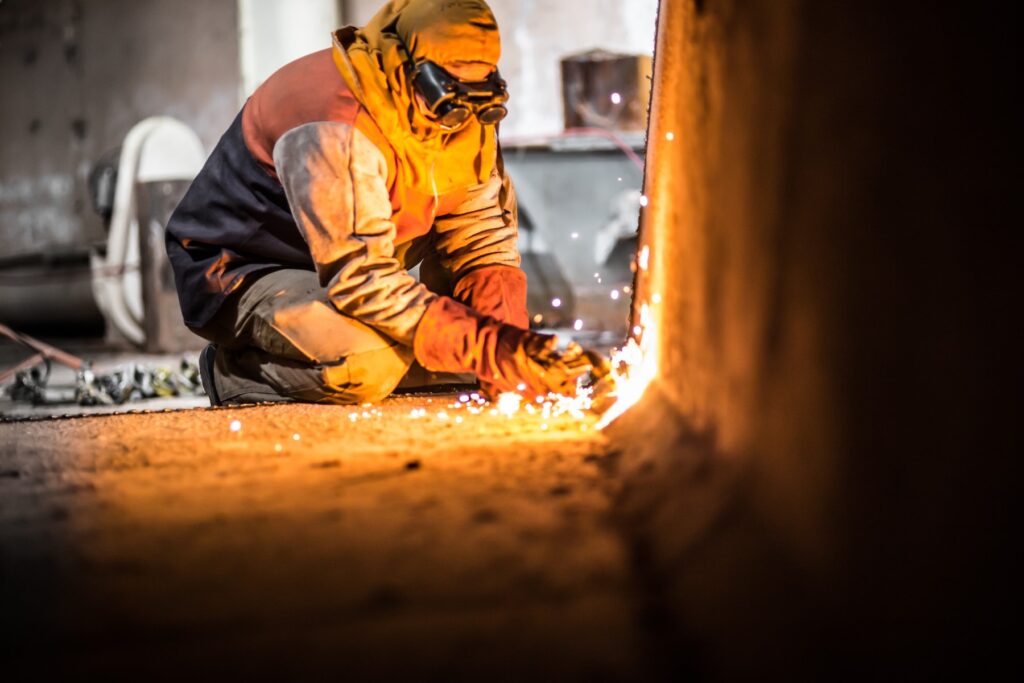
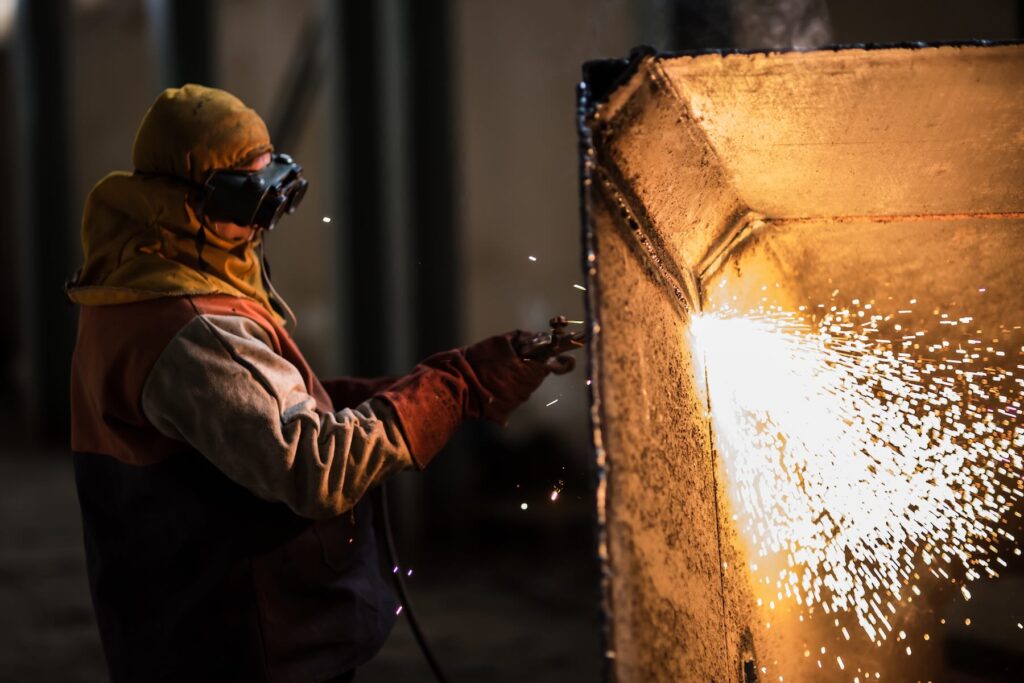
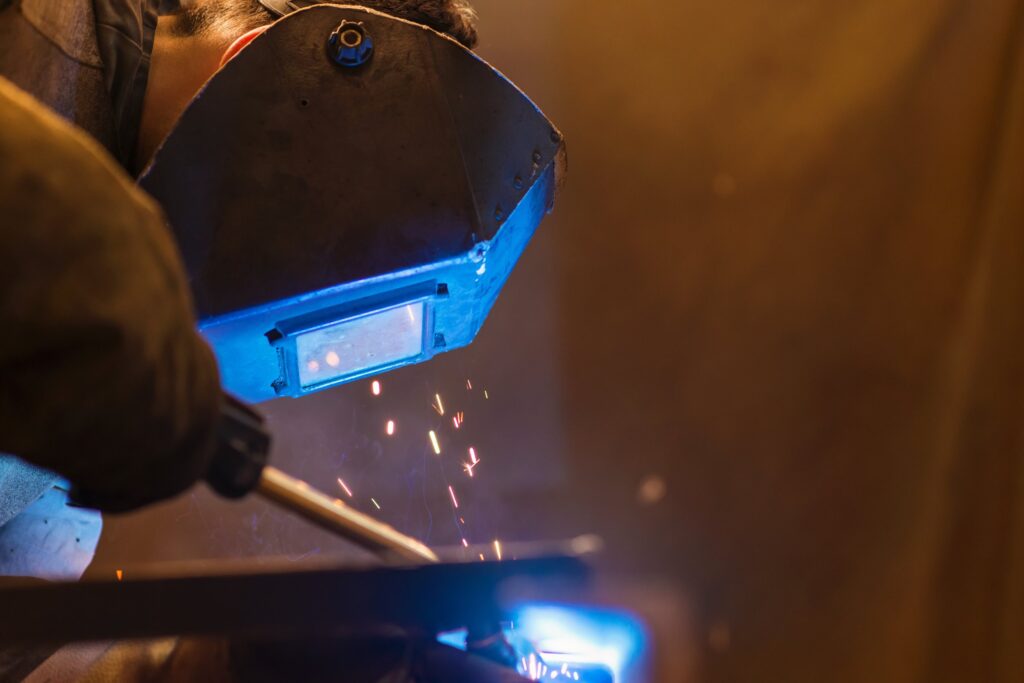
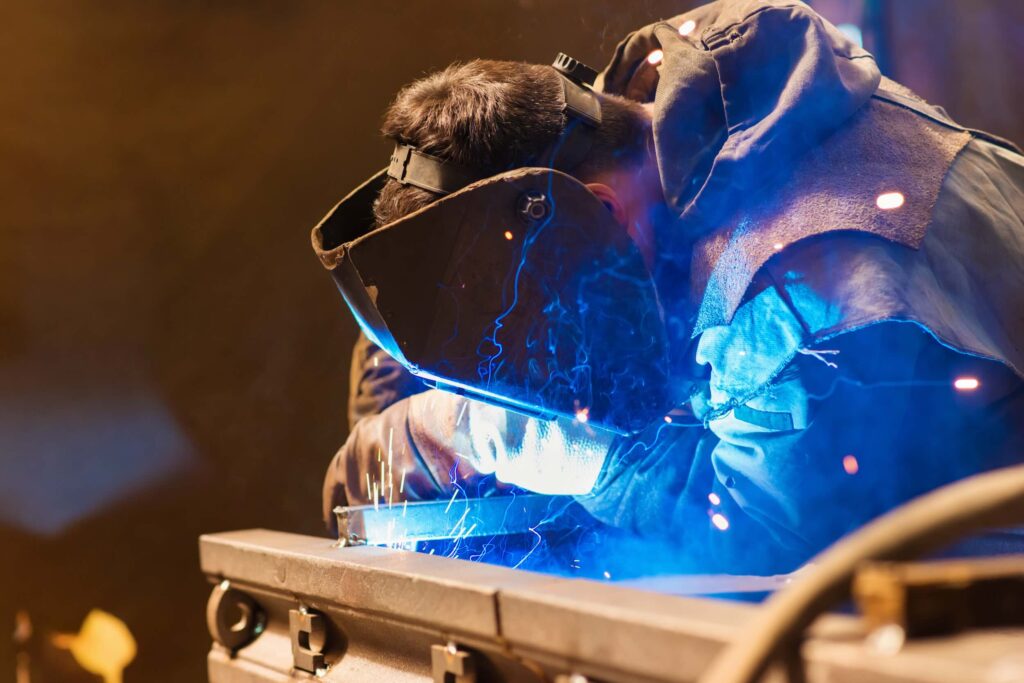
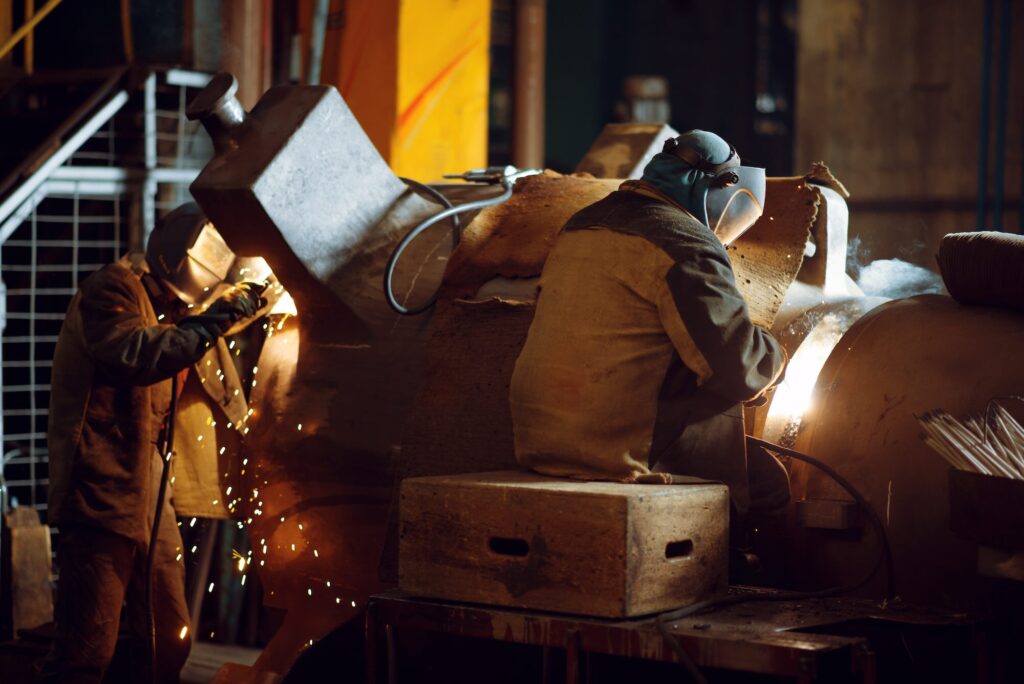
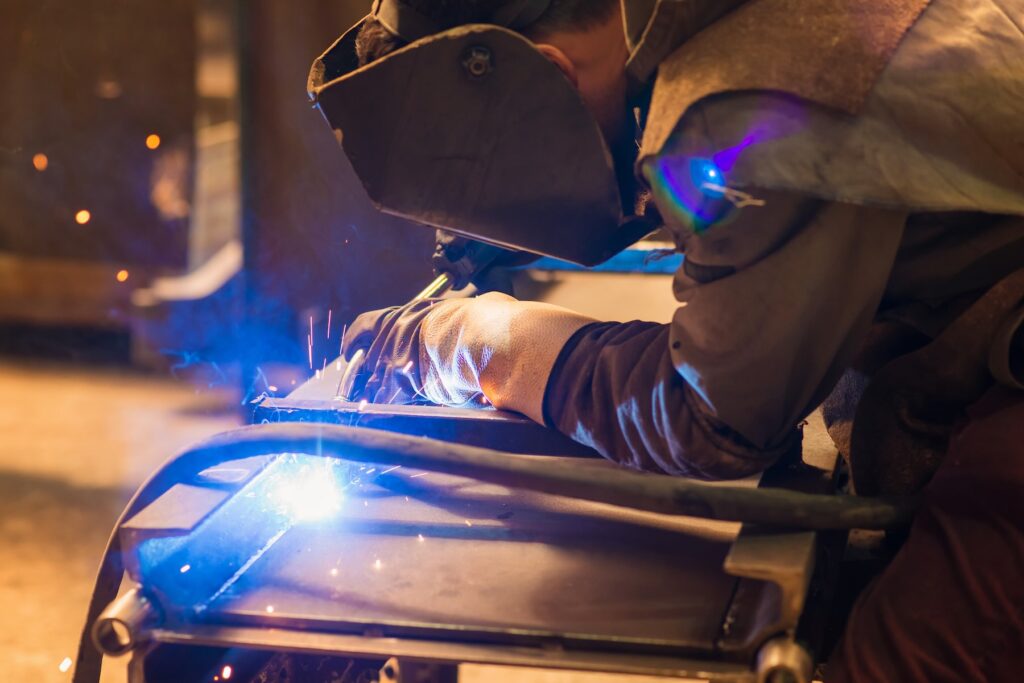
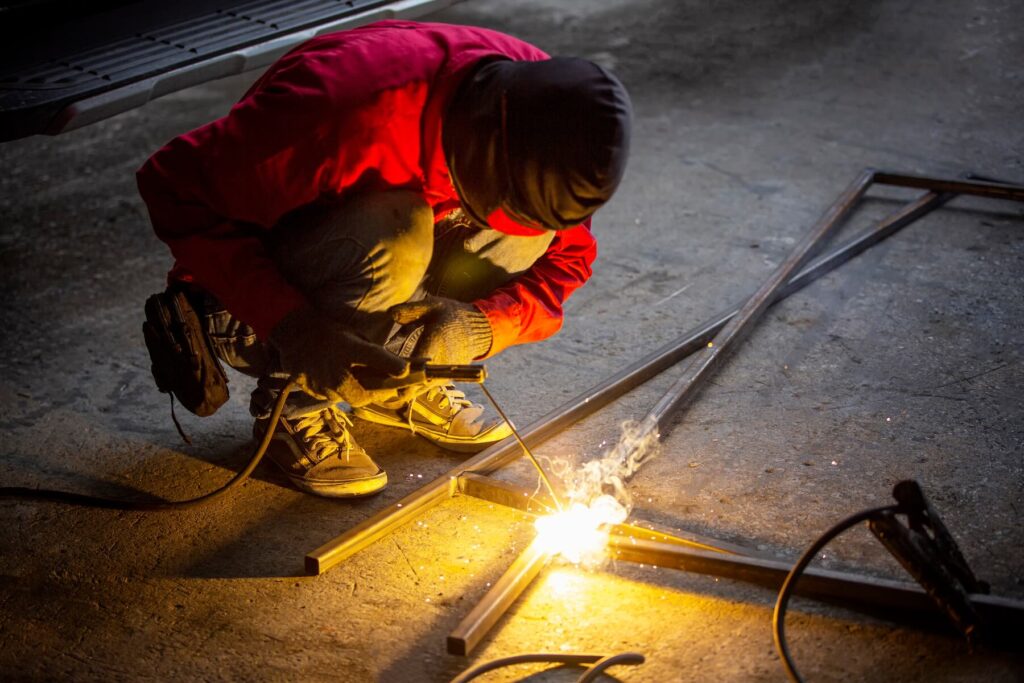
Welding is an essential process in various industries, including manufacturing, construction, and automotive. With the advancement of technology, welding equipment has become more sophisticated and specialized, catering to different needs and applications.
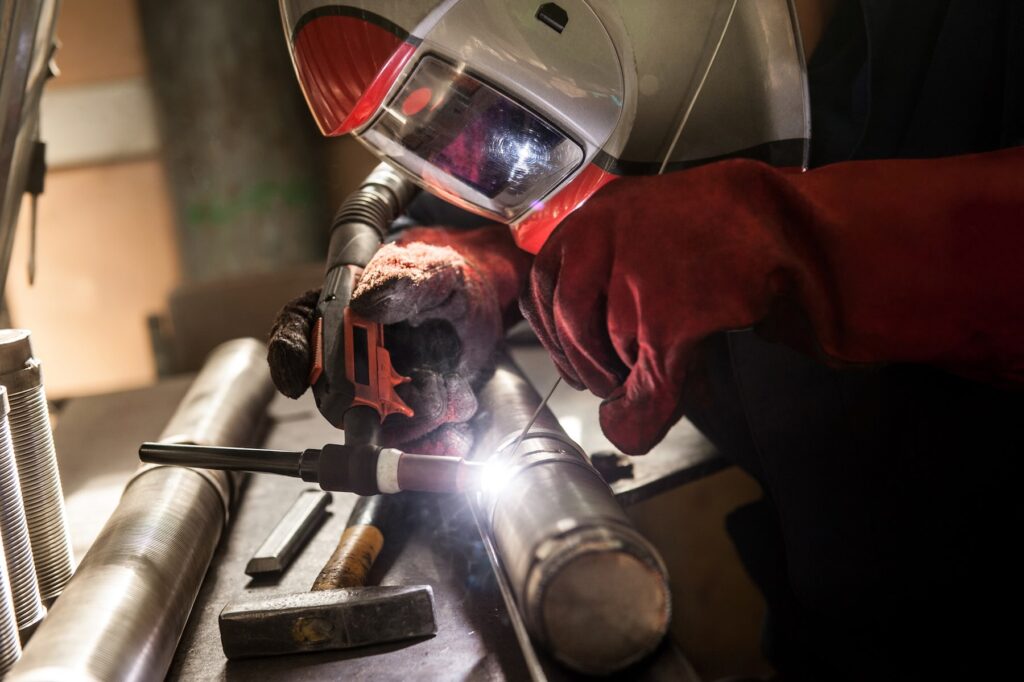
Tungsten Inert Gas (TIG) welding equipment is known for its precision and versatility. This type of welding uses a non-consumable tungsten electrode and an inert gas, such as argon or helium, to protect the weld area from atmospheric contamination. TIG welding equipment is ideal for welding thin and delicate materials, such as aluminum and stainless steel. The process produces high-quality welds with excellent fusion and minimal distortion. TIG welding equipment is also favored for its ability to produce clean and smooth welds with no spatter or porosity. This makes it perfect for applications where aesthetics are important, such as in the production of high-end automotive and aerospace components.
Plastic welding equipment is designed to join plastic materials together using heat and pressure. This type of welding is essential in industries that use plastic components, such as the automotive, electronics, and medical industries. Plastic welding equipment can be used to join a wide range of plastic materials, including PVC, polypropylene, and ABS. The process involves melting the plastic at the joint using a heating element and then applying pressure to create a strong bond. Plastic welding equipment offers several advantages, including fast cycle times, low maintenance, and the ability to produce strong and durable bonds. It is also a cost-effective solution for joining plastic components.
Arc welding equipment is a common type of welding used in the industry. This process uses an electric arc to generate heat and melt the base metal and filler material. The intense heat creates a pool of molten metal that fuses the base metal and filler material together to create a strong bond. Arc welding equipment is suitable for a wide range of applications, including shipbuilding, construction, and manufacturing. The process is known for its high productivity, low cost, and versatility. It can be used to weld a variety of metals, including steel, aluminum, and copper.
Electric welding equipment is a popular choice for maintenance and repair work. This type of welding uses electricity to generate heat and melt the base metal and filler material. Electric welding equipment is easy to use and is suitable for a wide range of applications, including automotive, construction, and manufacturing. The process is known for its simplicity, low cost, and high productivity. Electric welding equipment is also portable, making it easy to transport to different job sites.
Each type of welding equipment has its unique advantages and applications. TIG welding equipment is ideal for precision welding, plastic welding equipment is perfect for joining plastic components, ARC welding equipment is suitable for high-productivity applications, and electric welding equipment is a versatile tool for maintenance and repair work. With the right equipment and training, welding can be a highly productive and cost-effective process that ensures high-quality results.
These welding equipment are important tools in modern industries. They offer a range of advantages, including precision, versatility, energy efficiency, and environmental friendliness. By selecting the appropriate equipment and following proper safety protocols, industries can achieve high-quality and reliable welding results, enhancing productivity and driving innovation.